Last updated: October 21, 2026
Key Takeaways
- A plumbing emergency is a problem that can worsen within minutes or hours.
- A burst pipe is one of the clearest reasons to call an emergency plumber.
- A sewer backup can bring contaminated wastewater into the home.
- No running water can be an emergency when the loss affects the whole home or appears suddenly.
- What a plumbing emergency actually is
- Is a burst pipe an emergency plumber situation?
- Is a sewer backup an emergency?
- No running water: when that means emergency plumbing
- Overflowing toilet: when it is urgent and when it is not
- Gas leak smell near plumbing equipment: treat it as urgent
- Water heater leak: when to call right away
- What an emergency plumber should be able to handle first
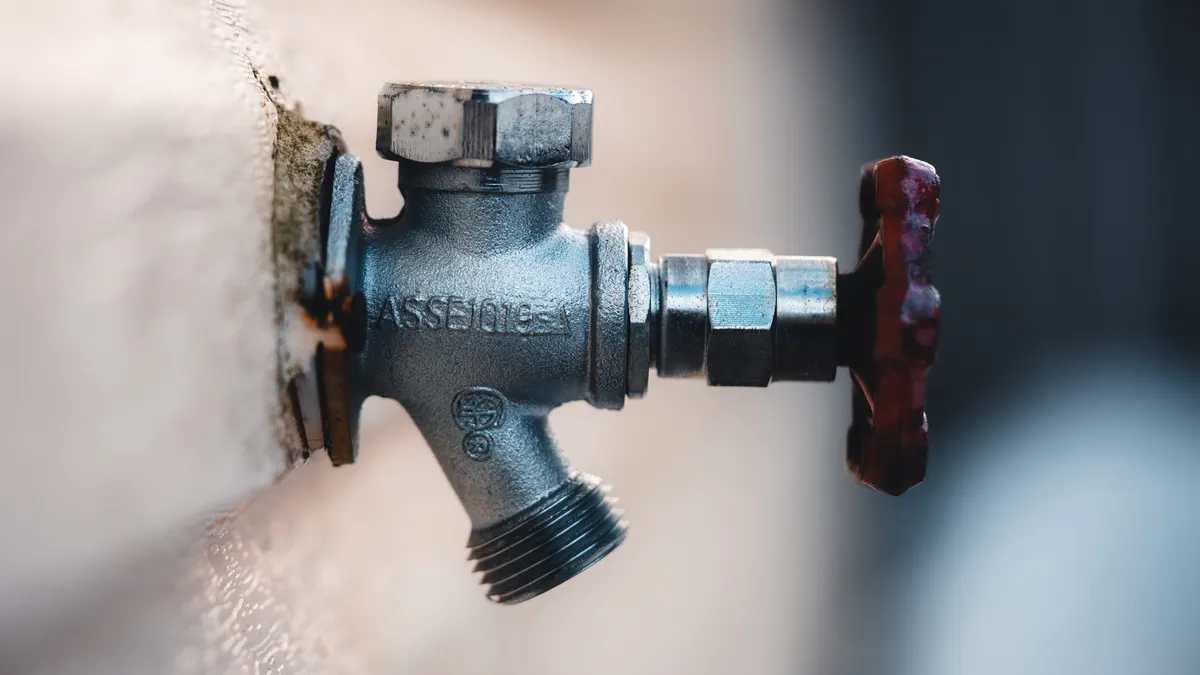
A plumbing emergency is any problem that can spread water, sewage, heat, or gas fast enough to damage the home or put people at risk. If a pipe bursts, a sewer backs up, or you smell gas near a water heater or gas shutoff valve, that is not a “wait until morning” problem. For a broader overview of service timing and response expectations, the hub page on emergency plumber should sit above this one.
What a plumbing emergency actually is
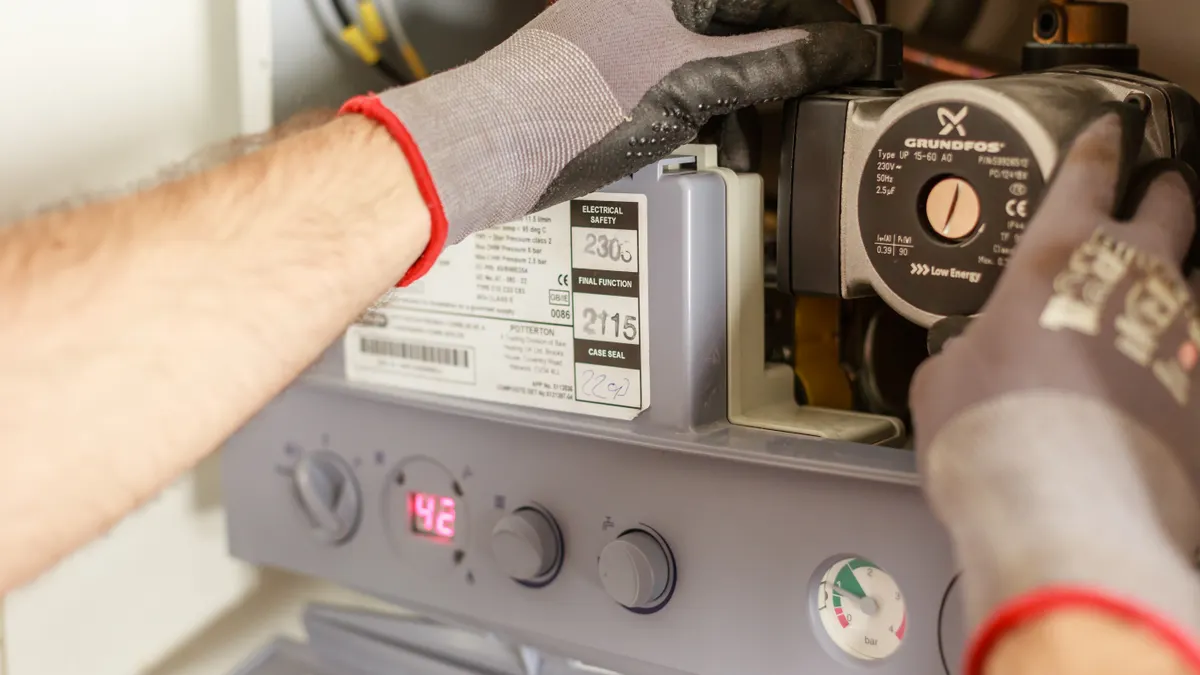
A plumbing emergency is the point where delay can make the damage worse within minutes or hours. That usually means active flooding, wastewater coming back into the home, no running water in the whole property, or a leak tied to gas or a water heater. It is different from a slow drip, a single sluggish sink, or a faucet that needs a cartridge replaced.
The practical test is simple: if the problem can keep worsening while you sleep, leave the house, or wait for normal business hours, it belongs in emergency territory. A burst pipe can dump water quickly. A sewer backup can spread contamination. A water heater leak can ruin flooring and drywall even when the puddle looks small. A gas smell near plumbing equipment needs immediate attention because the risk is not just water damage.
A generic article often misses this distinction. Not every wet spot needs an emergency truck, and not every bad smell is a plumbing issue. The goal is to separate urgent-but-not-immediate jobs from true emergencies so the right call gets made the first time. According to the U.S. Consumer Product Safety Commission, gas odors call for leaving the area and contacting the gas utility or emergency services before re-entering.
For a broader overview of service timing and response expectations, the hub page on emergency plumber should sit above this one.
Is a burst pipe an emergency plumber situation?
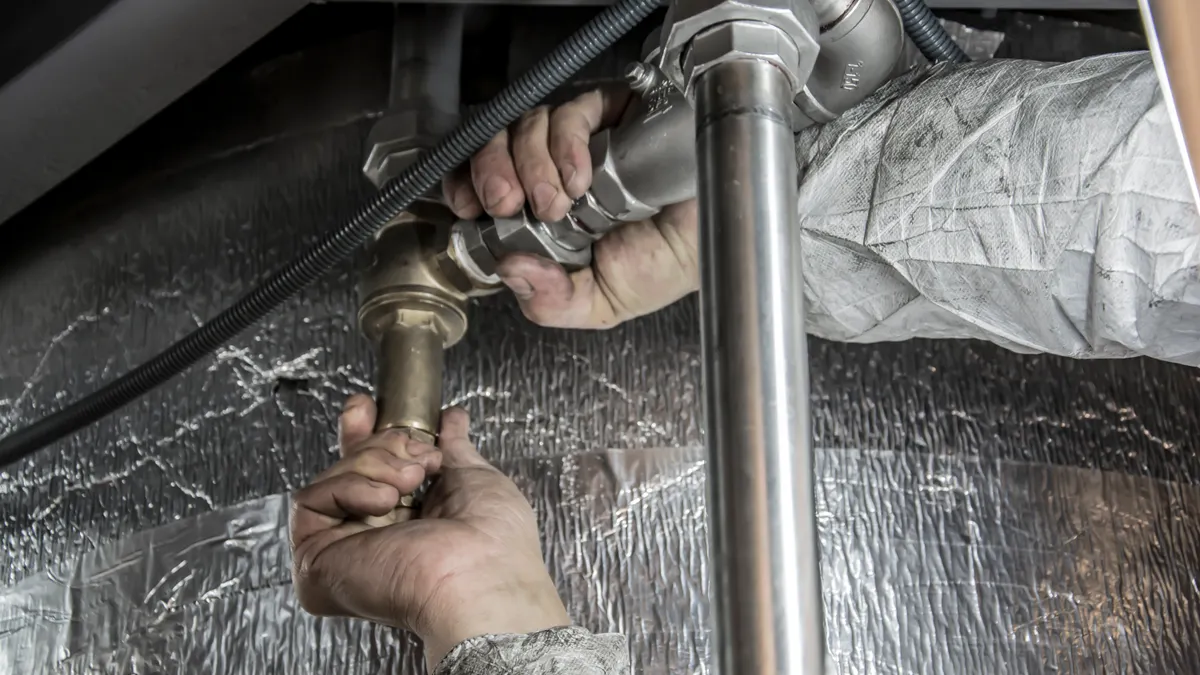
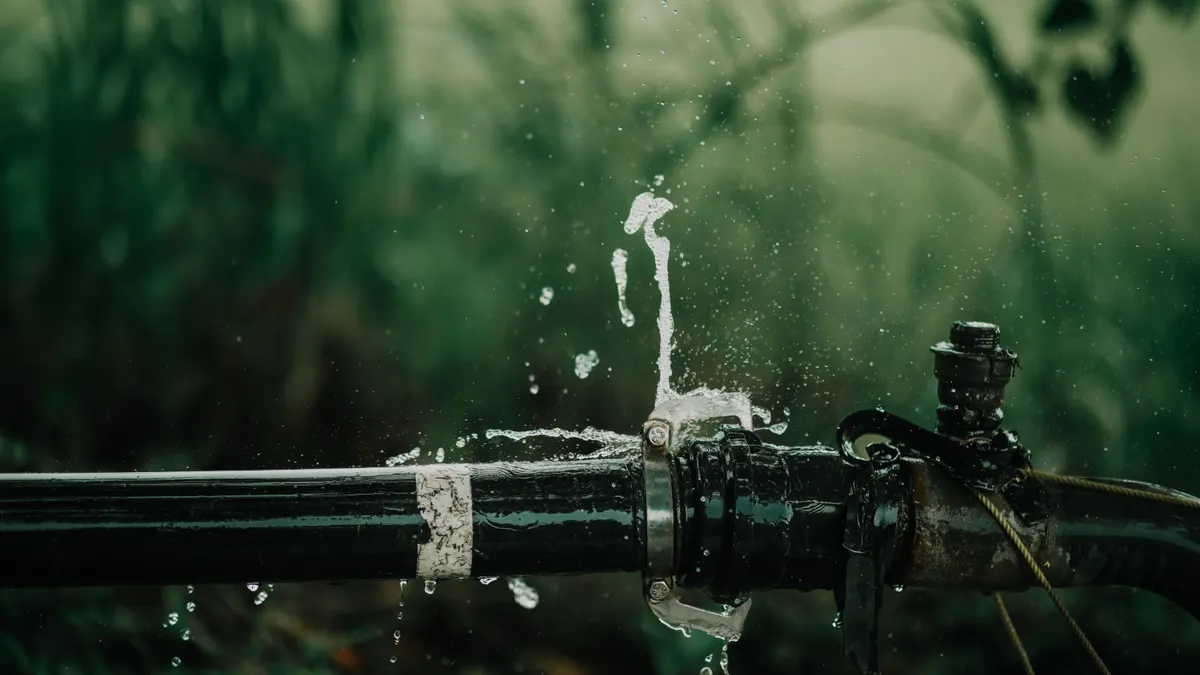
Yes, a burst pipe is one of the clearest reasons to call an emergency plumber. A pipe that has split, cracked open, or blown apart can release water continuously, and even a small opening can cause major damage fast.
The usual signs are hard to miss: water spraying from a wall, ceiling staining that is getting larger, a sudden drop in water pressure, or a section of pipe that has visible splitting from freezing, corrosion, or impact. A burst on the supply side is especially serious because pressurized water keeps coming until the source is isolated.
This is also where climate matters. In colder areas, frozen pipe failures often show up in crawl spaces, exterior walls, garages, and unheated basements. In warmer areas, failed supply lines can still burst from age, shifting soil, or corrosion, especially on older copper or galvanized steel runs. If the break involves the main water line, the damage can affect the whole property at once. The Insurance Institute for Business & Home Safety notes that burst pipes are a major source of residential water loss, especially in freezing conditions.
What makes a burst pipe different from a regular leak is volume. A slow drip stains. A burst pipe floods. If water is running into drywall, under cabinets, or across finished flooring, the clock is already ticking on repairs beyond plumbing.
Is a sewer backup an emergency?
Yes, a sewer backup is an emergency because it can bring contaminated wastewater into the home. If sewage is coming up through a toilet, floor drain, or shower, the issue is both a plumbing failure and a sanitation problem.
Look for classic signs: multiple drains backing up at once, gurgling in tubs and toilets, sewage odor, or black water appearing where clean water should be. A single slow sink can wait; a sewer backup cannot. If the backup reaches a basement floor drain or lower-level bathroom, the spread can be fast because those fixtures often sit below the main line’s trouble point.
The likely causes are a blocked main sewer line, root intrusion, collapsed piping, or a municipal sewer issue that affects the street line. A plumber may need a drain machine, camera inspection, or access to the cleanout, but the immediate concern is stopping further use of fixtures that push more wastewater into the system. The CDC advises avoiding contact with sewage and disinfecting affected areas promptly after cleanup.
This is a situation where waiting costs more than time. The longer sewage sits, the more likely it is to stain surfaces, soak into subflooring, and create cleanup work that goes far beyond plumbing. It is also a poor candidate for DIY fixes because snaking a fixture drain does not solve a main-line blockage.
No running water: when that means emergency plumbing
No running water can be an emergency when the loss affects the entire home or happens suddenly without an obvious external cause. If every faucet is dry, toilets will not refill, and the problem is not a utility shutdown, the plumbing system may have a failure at the main water line, a severe supply blockage, or a valve issue that needs immediate attention.
A partial outage is less urgent. One sink with no flow may be a local fixture problem, such as a shutoff valve under the cabinet, a clogged aerator, or a failed supply line. Whole-house loss is different. If the pressure disappears across several fixtures at once, that points to a larger system issue and the home may be left without sanitation, cooking water, or safe cleanup water.
The main water line matters here because it is the path feeding the house. If that line leaks underground, breaks at the meter, or becomes blocked by damage, the symptoms can show up all at once. In cold climates, a frozen service line can also cut off supply. In some houses, a failed pressure-reducing valve or closed main shutoff can mimic a bigger problem, but the symptom is the same: no water where the home needs it. The EPA’s emergency guidance also notes that sudden loss of water service warrants prompt investigation.
This is urgent because it can stop normal use of toilets, sinks, and appliances. It is not the same as low pressure in one bathroom, which is annoying but usually not an emergency.
Overflowing toilet: when it is urgent and when it is not
An overflowing toilet becomes an emergency when the water will not stop, waste is spreading onto the floor, or the toilet is tied to a sewer line problem. A single overflow that stops quickly may be managed as an urgent repair, but repeated overflow or sewage-backed water raises the stakes immediately.
The key detail is what is coming out. Clear water from a bowl that overfills because of a flush issue is bad enough. Water mixed with waste means the toilet may be part of a deeper blockage in the branch line or main sewer line. If more than one toilet or fixture is acting up, the problem is probably not isolated to the bowl.
Because that bowl sits above the floor, an emergency plumber is especially justified when the overflow is in a bathroom with tile that can trap water at the baseboard, or on a lower floor where runoff can reach subfloor seams. Even 10 minutes of uncontrolled overflow can create damage to flooring, trim, and drywall below.
Not every clogged toilet is an emergency, and that distinction matters. If one toilet is clogged but the bowl is stable, other fixtures drain normally, and no wastewater is escaping, the issue is urgent but not automatically emergency-grade. If the clog keeps returning, wastewater rises toward the rim, or sewage is involved, the line has crossed into emergency territory.
Gas leak smell near plumbing equipment: treat it as urgent
A gas leak smell near plumbing equipment is an emergency, and the response should be immediate. If there is a sulfur or rotten-egg odor around a water heater, gas shutoff valve, or gas appliance connected to the plumbing area, the problem is no longer just a plumbing repair. If you suspect a leak, leave the area and consult the gas utility or emergency services before returning, per the U.S. Consumer Product Safety Commission.
This is the clearest safety red flag on the list. A water heater can have both water connections and gas connections, so a leak or faulty fitting may involve more than one system. A gas odor near the unit, especially in a basement, utility closet, or garage, should be treated with caution because ignition risk is the issue, not just water damage.
The right move is not to keep checking the fitting over and over. The point here is that a plumbing emergency can overlap with a gas emergency, and that overlap changes everything. If the smell is strong, the area should be treated as unsafe until a qualified professional confirms the source. That is one case where a fast call matters more than trying to diagnose the exact part.
A generic plumbing checklist often leaves this out, but it should not. Water can damage a house; gas can endanger people. That is a different class of problem.
Water heater leak: when to call right away
A water heater leak is an emergency when water is active, pooling, or dripping from the tank, fittings, or pressure relief area. Even a slow leak can become a major problem because a tank failure can put gallons of water into a utility room before anyone notices.
The difference between minor and urgent depends on location and source. Condensation on cold pipes is not the same as water running from the tank seam, the drain valve, or the temperature and pressure relief valve. A leak at the bottom of the tank often means the vessel itself is failing, which is not a patch-and-wait situation. If the unit is in an attic, closet, or over finished flooring, the repair clock is even shorter because the water has less room to spread.
Water heaters also belong in the emergency column when the leak is paired with gas odor, corrosion at the connections, or signs of electrical damage around a powered unit. The job can move from plumbing to safety very quickly.
A homeowner might be tempted to wait if the leak seems small. That is risky. The cost of ignoring it is often not the puddle under the heater; it is the damaged subfloor, ruined insulation, or a tank rupture that turns a manageable repair into a bigger replacement job.
What an emergency plumber should be able to handle first
An emergency plumber should be able to isolate the problem, limit water or sewage spread, and tell the difference between a fixture issue and a system failure. The first visit may not finish the full repair. It is often about stabilizing the home.
A competent triage visit usually follows a short sequence:
- Identify whether the issue is water, sewer, gas-related, or a mix of more than one problem so the right tools are used.
- Check the affected fixtures and nearby lines, including the main water line, shutoff points, and visible pipe runs, to find the source.
- Stop active flow or isolate the damaged section so the problem does not keep spreading through the house.
- Assess whether the fix is immediate, temporary, or needs parts, excavation, or a return visit.
- Explain the next step in plain terms, including what remains unsafe to use until the repair is complete.
The first visit is often shorter than people expect, especially when the goal is containment. A longer visit may still end with replacement or a return trip if the problem requires access to a wall cavity, sewer camera work, or special parts. What matters is whether the plumber leaves the home stable enough that the damage is no longer escalating.
This is also the point where a bad job shows itself. If the plumber treats a sewer backup like a simple clog, ignores a gas odor, or writes off a whole-house water loss as “probably low pressure,” that is a warning sign. Good triage separates the expensive inconvenience from the true emergency. For more on service scope and when to escalate, the main emergency plumber page belongs alongside this definition page.
Is a clogged toilet an emergency?
A clogged toilet is only an emergency when it starts overflowing, keeps backing up after one flush, or is part of a larger sewer problem. A single clog with no spill is usually urgent but not immediate. If waste water is rising toward the rim or other fixtures are affected, the problem needs emergency attention.
Is a sewer backup an emergency?
Yes, a sewer backup is an emergency. It can push contaminated wastewater into the home through toilets, drains, or showers, and the longer it sits, the worse the cleanup becomes. If multiple fixtures are affected or sewage is visible, the issue should be treated as immediate rather than routine.
When is a water heater leak an emergency?
A water heater leak is an emergency when water is actively escaping, pooling, or coming from the tank itself. A leak near gas fittings, electrical components, or finished flooring raises the urgency further. Small condensation is different from a true leak, but visible dripping from the unit should not be ignored.
Does no hot water count as an emergency?
No hot water is usually not a plumbing emergency by itself. It becomes urgent if the water heater is leaking, smells like gas, shows signs of electrical damage, or is the only source of hot water for a home with health or sanitation needs. Without those red flags, it is typically a normal repair rather than an emergency call.
Drafted with AI; not yet reviewed by a person.