Last updated: October 21, 2026
Quick Answer: In most homes, you can stabilize a leak in 10 to 30 minutes by shutting off the water, reducing electrical risk, and containing the spill before an emergency plumber arrives. An emergency plumbing leak needs fast stabilization, not guesswork. The first job is to stop the water, protect electrical areas, and keep the damage from spreading until the plumber gets there.
If you are staring at a wet floor, a dripping ceiling, or a burst pipe in the basement, do this in order. It takes 10 to 30 minutes in most homes, and the result should be simple: less water, less damage, and a safer room for the plumber to walk into. For more on household shutoffs and leak response, see the EPA on home water leaks, the Red Cross on flood safety, and the U.S. Consumer Product Safety Commission on electrical hazards around water.
First, stop the water at the main valve
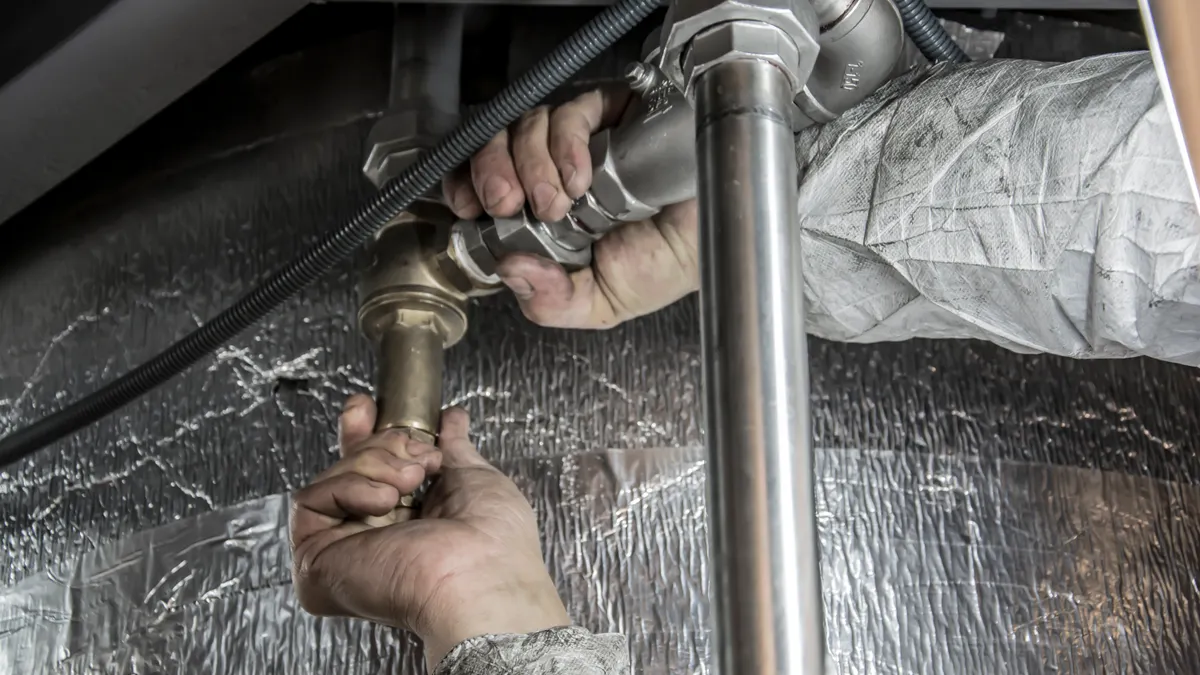
Shut off the main water valve as soon as you can reach it safely. That is often the fastest way to slow or stop a pipe leak anywhere in the house, including under a sink, in the basement, or inside a wall.
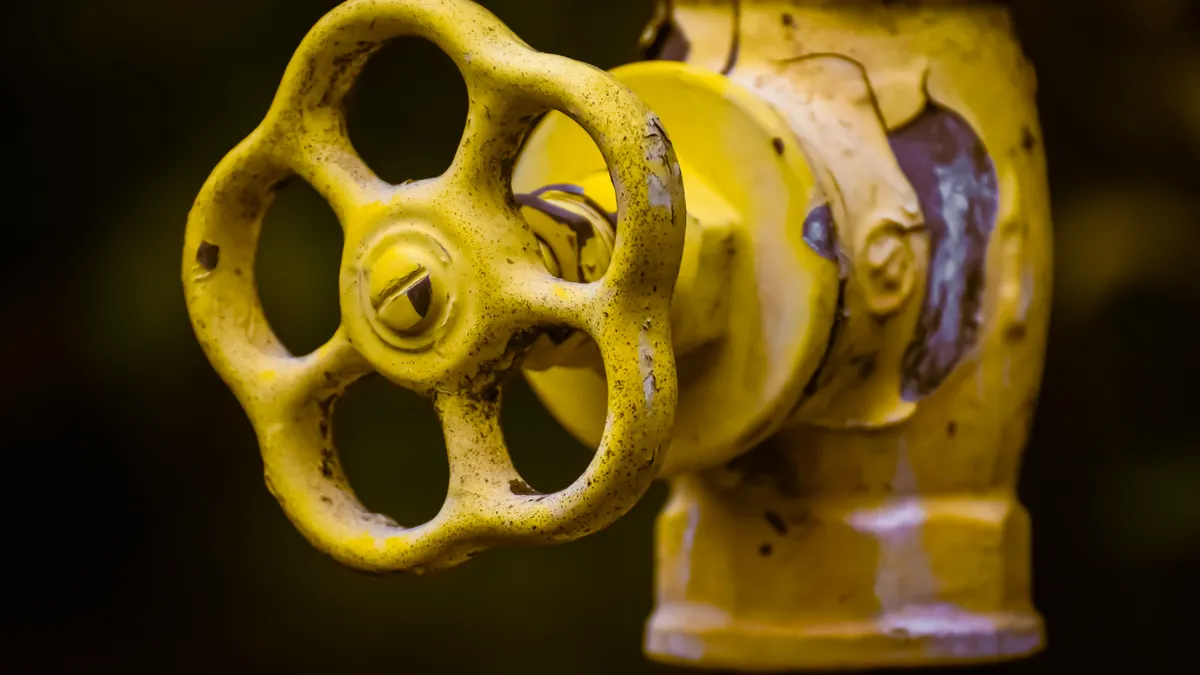
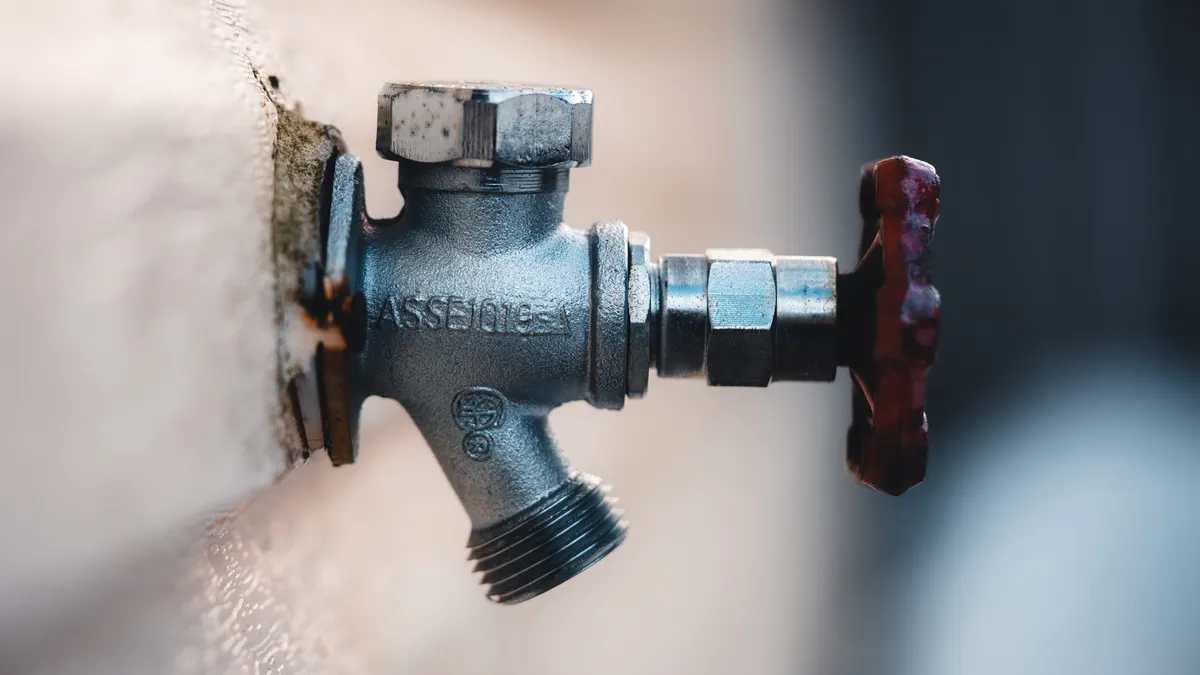
If the leak is only at one fixture, an under-sink shutoff valve may control that branch line, but the main water shutoff valve is the better first move when the source is unclear or water is spreading. Turn the handle or lever fully closed. For a wheel-style valve, turn clockwise until it stops. For a lever, it usually needs a quarter-turn so the handle sits across the pipe.
After you close it, open a faucet at the lowest level of the home for a few seconds to relieve pressure and drain standing water in the lines. A basement utility sink or a first-floor bathroom sink works well for this. You should hear the flow taper off, then stop.
Some homes have a valve near the water meter, and some have one where the main line enters the house. If the valve will not move, do not force it. A stuck stem can shear, which turns a leak into a larger service problem. At that point, the water utility or a plumber may need to handle the shutoff at the meter.
This step is the one that matters most in the first 5 minutes. Everything else buys time. For a basic home-water overview, the EPA’s leak guidance is a useful reference.
What should I do if the leak is under a sink?
Shut off the under-sink shutoff valve, then empty the cabinet and dry the floor. A leak under a kitchen or bathroom sink is often easier to isolate than a pipe burst elsewhere, but it still can soak particleboard, swell cabinet bases, and run behind a toe kick.
Turn off the hot and cold valves under the sink if you are not sure which side is leaking. The small handles should close fully with light hand pressure. Then place a bucket directly under the drip path and lay towels around the cabinet floor. If water is reaching the back wall, pull stored items out so you can see whether the leak is at the supply line, the trap, or the faucet body.
Do not wrap the whole area in plastic as a first move. Trapped water can spread sideways and hide the leak path. A dry towel changes color fast and tells you where the flow is coming from. If the drip is slow, swap out saturated towels every few minutes so they keep absorbing instead of becoming a puddle.
This is also a good time to check the adjacent floor. Water often runs under laminate or vinyl before it shows up at the edge. If the leak is in a cabinet over a finished basement, look below for new stains or dripping seams.
The point is not to diagnose the exact failed part. The point is to stop a small under-sink leak from turning into cabinet rot and flooring damage. If you cannot tell where the leak began, leave the fitting in place and wait for a plumber.
Turn off the water heater if the leak involves hot water
Shut off the water heater only if the leak affects hot water lines, the heater itself, or the water supply has been turned off and the tank may run dry. If the leak is on a hot line, the heater can keep heating an empty or partially empty tank, which can damage the unit.
For an electric water heater, switch off the breaker labeled for the heater at the panel. For a gas unit, turn the control to “pilot” or follow the manufacturer’s shutoff instructions on the unit label. Do not drain a tank unless you know where the drain valve is and have a safe drain path. A full tank is heavy, and hot water can scald.
If the leak is clearly from the heater tank, the pressure relief area, or the fittings above it, keep people away from the base of the unit. Put a bucket under the drip if it is safe to do so, but do not open access panels on an electric heater or remove piping under pressure.
The trade-off is simple: leaving the heater on while the water supply is off can shorten the life of the equipment, but shutting it down carelessly can create a separate hazard. If the leak is cold-water only and nowhere near the heater, you usually do not need to touch the appliance.
A plumber can decide whether the heater needs draining, part replacement, or full replacement once the area is safe and accessible. The U.S. Department of Energy’s water-heater guidance is a good reference for basic shutdown caution.
How do I keep water from spreading while I wait?
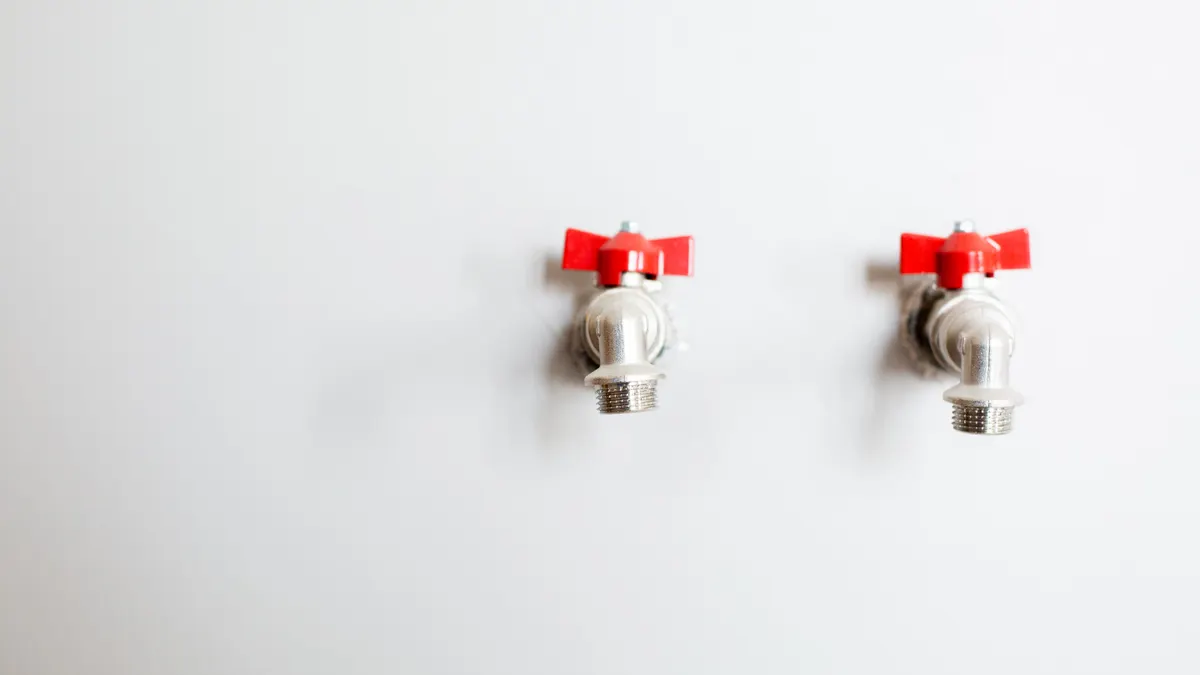
Contain the water at the source, then build a path for it to go into a bucket or towels instead of into walls and floors. The first 15 minutes are about redirecting water, not cleaning everything perfectly.
Use this sequence:
- Move rugs, paper boxes, and small furniture at least 3 feet away from the leak so they do not wick moisture.
- Set a bucket directly under drips and place a towel inside or under the bucket if the floor is slick.
- Lay bath towels or old beach towels in a line along the flow path, especially at doorways and the edge of a basement stair.
- If water is running under a cabinet or appliance, slide a flat tray, baking sheet, or shallow pan under the front edge only if it can be done without touching wiring.
- Use a wet-dry vacuum only on standing water you can see and reach safely. Stop before you pull water toward an outlet or extension cord.
If the leak is on an upper floor, watch for water marks on the ceiling below. A small brown stain may be the first sign that water is collecting in drywall. In that case, place a bucket under the stain and keep people out of the area if the ceiling starts to sag.
A common mistake is chasing every drop with one towel while the source keeps feeding the leak. That costs time and spreads wet footprints through the house. Put your effort into blocking the path first, then mop up the rest.
A second mistake is forgetting the basement. In many homes, a leak upstairs shows up downstairs later, especially around plumbing chases, joists, or light fixtures. Check below once you have the main water off. The Red Cross advises avoiding flooded areas where hidden hazards may be present, and that caution applies here too.
Is it safe to use electricity near water?
No, it is not safe to use electricity near standing water, wet outlets, or a damp appliance cord. Water and electricity do not mix, and a leak can turn a normal room into an energized hazard in seconds.
If water is near an outlet, breaker panel, power strip, lamp, or plugged-in appliance, stop using that area immediately. Do not touch wet switches or cords with bare hands. If you can reach the breaker panel without standing in water, shut off power to the affected room or circuit. If the panel itself is wet, or if you would have to step through pooled water to reach it, stay out and wait for help.
If the leak is near a basement ceiling, check for fixtures or receptacles below the wet area. A drop of water from above can travel into a fixture box before it becomes visible on the surface. That is one reason basement leaks deserve caution even when the floor looks only slightly wet.
A dry floor towel is not protection against electricity. Neither is rubber-soled footwear if the cord or outlet is soaked. The safe threshold is practical: no standing water near live electrical equipment, no wet hands on plugs, no guessing.
If there is any sign of sparking, buzzing, a tripped breaker that will not reset, or a hot smell, treat it as an electrical problem as well as a plumbing one, and call a qualified professional. A plumber can handle the leak, but an electrician may be needed if water reached wiring or fixtures. The U.S. Consumer Product Safety Commission advises treating water-damaged electrical equipment as hazardous until inspected.
Temporary leak control that buys time without making things worse
Use temporary leak control only to slow a leak after the main water is off, and only on a small, accessible pipe leak. It is not a repair, and it should never delay the plumber.
For a pinhole-sized drip on a visible pipe, a pipe clamp, a rubber patch with a hose clamp, or self-fusing silicone tape can sometimes slow the leak after the pipe has been dried. Dry the pipe as much as possible first. Water under tape makes the patch slip, and a patch on a corroded pipe can fail quickly.
If the leak is on a threaded fitting, you can sometimes catch the drip with a bucket and towel until the plumber arrives. Do not crank fittings tighter unless you know the pipe material and can do it without twisting the line. Over-tightening can crack older galvanized pipe or damage plastic fittings.
Avoid these mistakes:
- Do not smear household adhesive or caulk over a live leak. It rarely holds pressure.
- Do not wrap electrical tape around a wet pipe and call it fixed.
- Do not use a temporary clamp on a pipe that is split lengthwise or shaking under pressure.
The downside of temporary patching is that it can hide the true leak point from the plumber for a short time. That is acceptable if the goal is to reduce damage for a few hours. It is not acceptable if the patch goes onto a hot pipe, a corroded section with soft metal, or a line you can’t fully shut off.
If the leak is from a cracked fixture body, a tank, or a hidden wall line, skip the patch and focus on shutoff, containment, and access. The EPA’s leak guidance is also useful when you are deciding whether a leak is small enough for short-term control.
What to have ready when the plumber gets there
Have the leak area open, dry enough to work in, and easy to reach when the plumber arrives. That saves time and reduces the chance of a second mess.
Clear a path to the main water shutoff valve, the water heater, the sink cabinet, or the basement access point. Move laundry baskets, storage bins, and anything sitting in front of the leak. If there is water damage under a cabinet or behind an appliance, pull those items forward only as far as you can without stressing hoses or cords.
Write down the basics while they are still fresh: where the leak started, when you noticed it, whether the water was hot or cold, and whether the main valve is closed. If the leak is intermittent, note whether it starts when a fixture runs, when the washer fills, or when a toilet flushes. That kind of detail helps a plumber narrow the problem faster once they arrive.
Do not spend this time taking apart fittings. A homeowner who removes a supply line or opens a wall can turn a manageable emergency into a larger repair and a larger invoice. The right move is to leave the failed part in place, unless doing so would keep water flowing.
This page is the stabilization step that supports the main emergency plumber guide on the site. The job here is simple: make the scene safe, small, and understandable before the repair work starts, so the emergency plumber can move straight to diagnosis and repair.
Key Takeaways
- Shut off the main water first unless a single fixture valve clearly isolates the leak.
- Protect the water heater if the hot-water side is involved or the tank may run dry.
- Use buckets, towels, and clear floor space to keep water from spreading into cabinets, flooring, and the basement.
- Treat wet outlets, cords, and fixtures as unsafe until power is off and the area is dry, and call a professional if you see sparking, buzzing, or other warning signs.
- Temporary patches are only for visible, small pipe leaks after shutoff; they are not a substitute for repair.
Where is the main water shutoff valve?
The main water shutoff valve is usually where the water line enters the house, near the foundation, in a basement, crawl space, utility room, garage, or by the water meter. Some homes also have a curbside meter shutoff, but that may be outside or require a utility tool. If you cannot find the valve quickly, look for the large pipe feeding the house and follow it inward.
Should I turn off my water heater during a leak?
Yes, if the leak involves hot water lines, the water heater itself, or the main supply has been shut off and the tank could run dry. For an electric heater, switch off the breaker. For gas, follow the unit’s shutoff instructions. If you are unsure, keep clear of the heater and let the plumber assess it.
Is it safe to use electricity near water?
No, it is not safe to use electricity near standing water, wet cords, or damp outlets. Turn off power to the affected area if you can do so without crossing water. If the breaker panel is wet, or you would need to step in water to reach it, stay away and wait for a professional.
How do I stop a leaking pipe temporarily?
You can slow a visible, small pipe leak with a clamp, a rubber patch, or self-fusing silicone tape after the water is shut off and the pipe is dried. This is only a short-term measure. It will not hold on a split pipe, a hot pipe, or a hidden leak inside a wall.
Drafted with AI; not yet reviewed by a person.